
Combat Guide: Parry, Deflect, Issen, and Blade Barrage
When to parry, when to deflect, why Issen is a gamble, and how blade clashes change the pace in Onimusha: Way of the Sword.
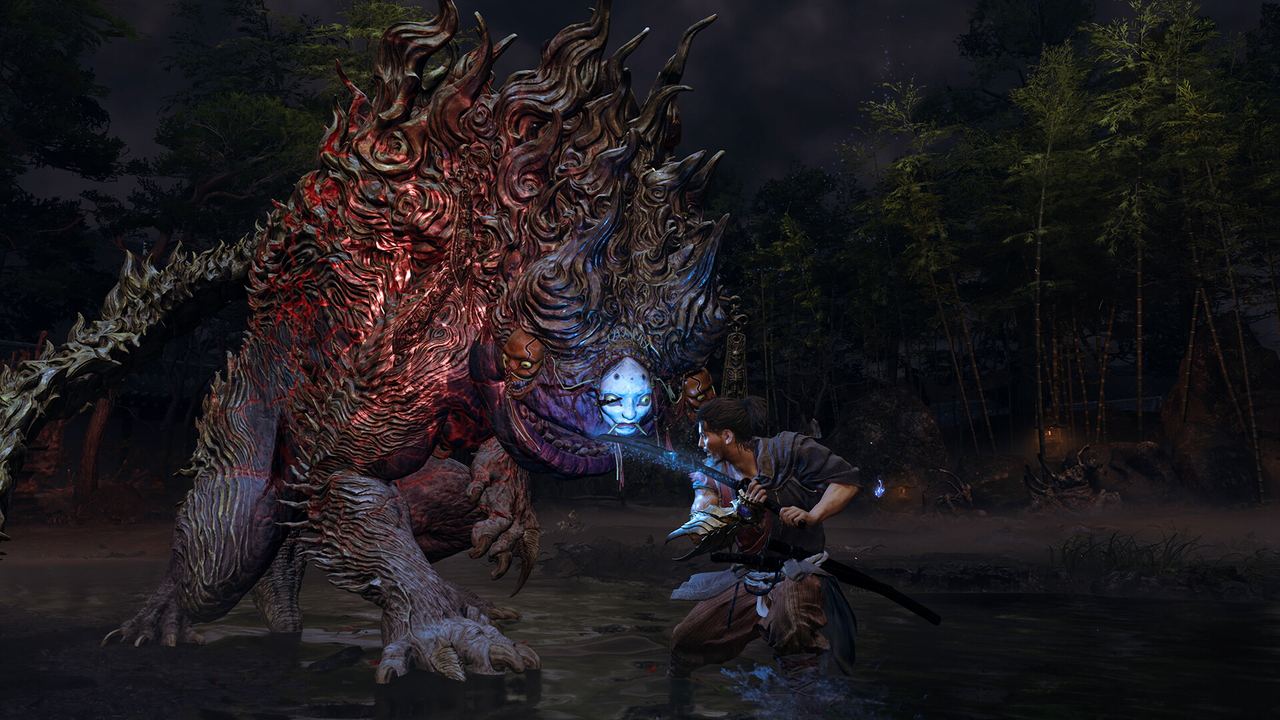
The words are familiar. The jobs are not.
Parry, guard, and counter all exist here, but they are not interchangeable. If a fight feels messy, you are often using the flashy answer on a string that wanted the patient one.
Parry: the clean immediate answer
Time the defensive input, interrupt or stagger, convert into damage.
Strongest on:
- single, obvious melee swings
- enemies whose timing you already know
- moments when you want tempo back right now
Deflect: pressure management
Preview coverage treats deflect as its own tool. It looks closer to breaking stamina / posture over time than to a tiny punish window.
Strongest on:
- repeated pressure strings
- heavier enemies you cannot bully with normal offense
- fights where a full collapse creates a bigger follow-up than a single parry
Issen: the series gamble
Issen is identity, not a default. Use it when you already know the timing. Skip it when a miss deletes a chunk of health.
Do not force Issen when:
- you have not learned the rhythm
- the boss punishes a missed read hard
- a safer parry or deflect already solves the string
Blade barrage and clashes
When both sides attack together, you can enter a clash / blade barrage. Attack type and timing matter. If a fight suddenly feels “cinematic and messy,” you may have triggered this without noticing.
Decision tree when a fight goes badly
- Can I survive the next string? Guard / reset.
- Is one swing readable enough to parry? Parry that one.
- Is this a pressure fight? Shift to deflect.
- Do I actually know the Issen timing? Then cash in.
Practice loop
- Fight one enemy type slowly
- Pick its most telegraphed attack
- Parry that move on purpose
- Test deflect on the same string
- Only then test Issen
Parry, deflect, and Issen are related. They are not the same button.